


Structural steel fabrication plays a critical role in today’s large-scale industrial and infrastructure projects. From manufacturing plants and energy facilities to commercial buildings and transport infrastructure, fabricated steel forms the backbone of modern construction. As projects grow in scale and complexity, the demand for high-quality fabrication continues to rise.
Fabrication is not just about shaping steel. It involves precise planning, advanced machinery, and skilled execution to deliver components that fit perfectly within the broader construction process. Therefore, working with an experienced structural steelwork fabricator is essential to ensure that every component meets strict engineering, safety, and performance requirements.
K. Liaromatis brings extensive expertise in delivering high-quality structural steel fabrication solutions. With advanced facilities and a strong commitment to quality, the company supports complex projects across multiple industries and international markets.
Let’s explore more about the role of structural steel fabricators, the core structural components they produce, and more about how they help in modern construction.
The Role of Structural Steelwork Fabricators in Modern Construction
Here are three main roles of structural steelwork fabricators in demanding industrial and construction needs:
1. Transforming Engineering Designs into Fabricated Structures
Structural steelwork fabricators play a key role in turning engineering concepts into physical structures. They begin by carefully interpreting detailed structural drawings and specifications provided by engineers and project designers. These documents outline dimensions, load requirements, and material specifications that must be followed precisely.
Fabricators then convert these designs into production-ready components. This involves selecting the right materials, planning fabrication sequences, and ensuring that each element aligns with the overall structural system. The result is a set of steel components that are ready for seamless integration on-site.
2. Supporting Complex Industrial and Infrastructure Projects
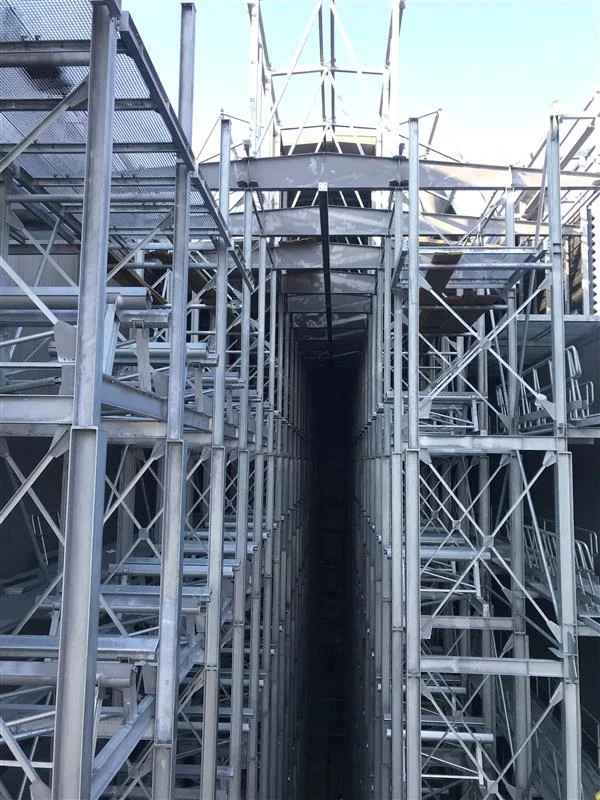
Modern construction projects often involve challenging environments and demanding performance requirements. Structural steel fabricators provide tailored solutions that meet these specific needs. Whether it is a heavy industrial facility or a complex infrastructure project, fabrication must align with the unique conditions of the project.
Fabricators work closely with contractors, engineers, and project managers to ensure that every component supports the intended function of the structure. This collaborative approach helps address design challenges early and ensures that fabricated elements meet both technical and operational requirements.
3. Ensuring Structural Integrity and Reliability
The strength and reliability of any steel structure depend heavily on the quality of fabrication. Precision manufacturing processes are essential to achieve consistent results across all components. Even minor deviations can affect structural performance, making accuracy a top priority.
Strict quality standards are maintained throughout the fabrication process. From material selection to final inspection, every stage is carefully controlled to ensure that the finished components meet required specifications. This focus on quality ensures long-term durability and safety.
Core Structural Components Produced Through Steel Fabrication
After understanding the role of a fabricator, let’s explore all the core structural components they produce through the steel fabrication process.
- Structural Steel Beams and Columns
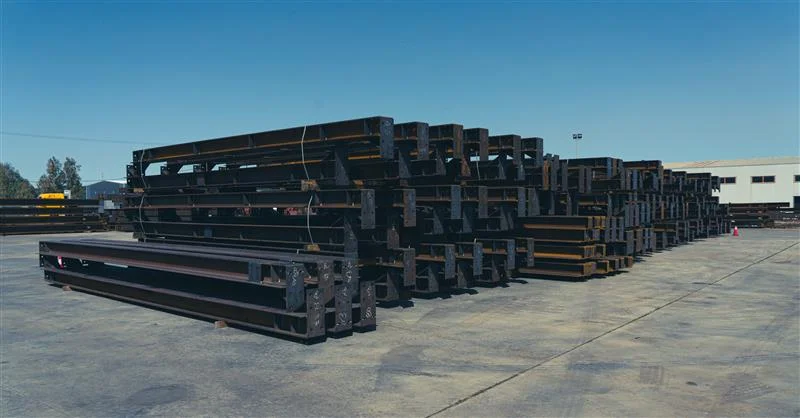
Structural steel beams and columns form the primary load-bearing framework of most construction projects. These components are designed to support vertical and horizontal loads of the structure.
Fabricators produce beams and columns in various sizes and configurations based on project requirements. Precision in fabrication is essential to ensure proper alignment during installation. Accurate dimensions help create a stable framework that supports the overall structure effectively.
- Steel Trusses and Large Structural Assemblies
Steel trusses and large structural assemblies are engineered to span wide distances and carry heavy loads. These components are commonly used in industrial facilities, warehouses, and infrastructure projects such as bridges and transport hubs.
Fabricating these assemblies requires careful coordination and advanced engineering. Each component must fit precisely within the larger system to maintain structural integrity. The ability to produce complex assemblies is a key strength of experienced fabricators.
- Fabricated Steel Plates and Custom Structural Elements
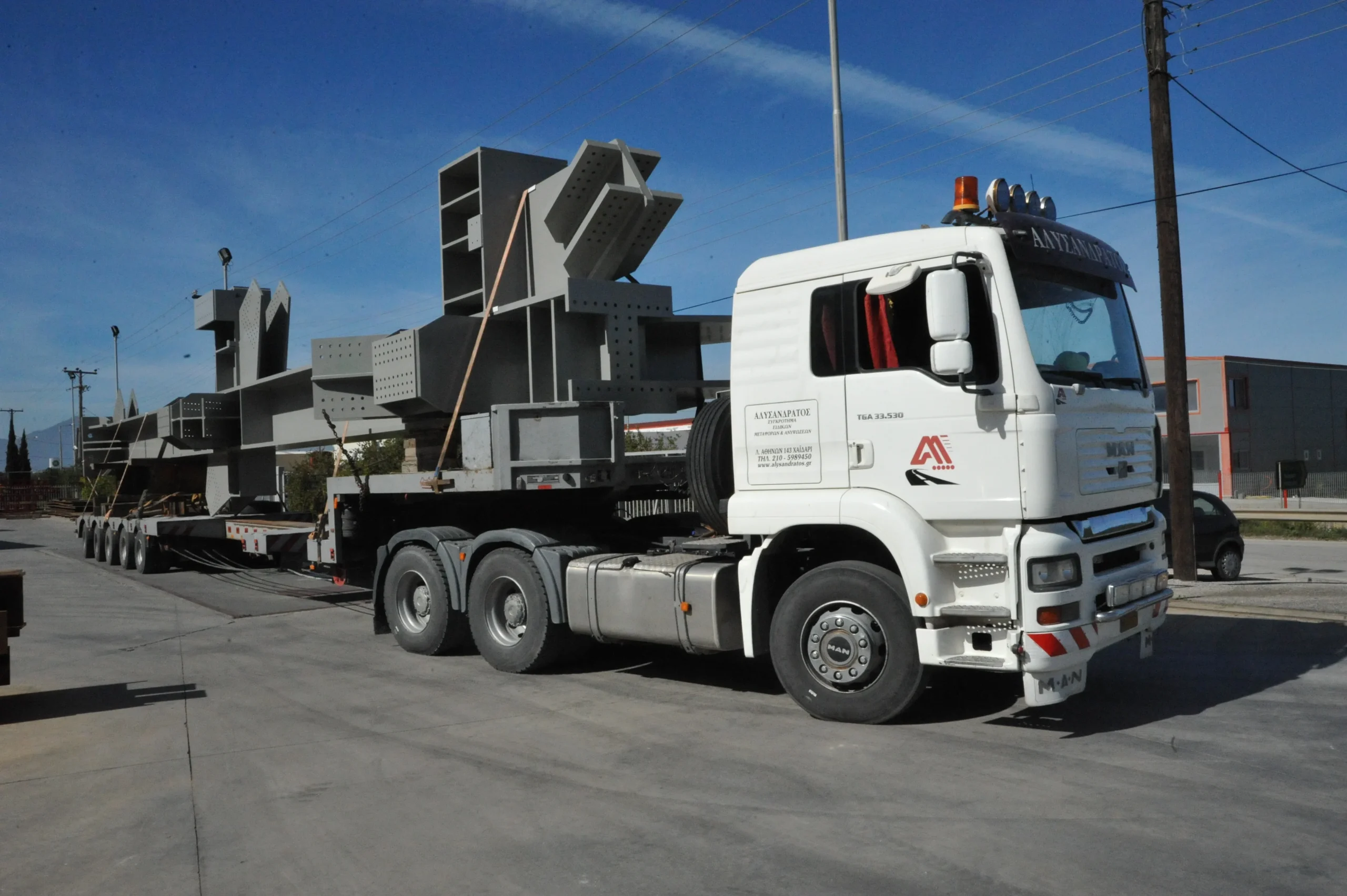
Steel plates and custom structural elements play a vital role in connecting and reinforcing different parts of a structure. These components are often designed specifically for each project, depending on load requirements and design specifications.
Fabricators produce plates and custom sections with high accuracy to ensure proper fit and performance. These elements may include connection plates, stiffeners, and reinforcement components that enhance the strength and durability of the structure.
Now, let’s see the process a reliable structural steel fabricator like K. Liaromatis follows to make all these components.
The Structural Steel Fabrication Process
The structural steel fabrication process involves several stages, each contributing to the final quality and performance of the components.
Step 1: Detailed Engineering and Fabrication Planning
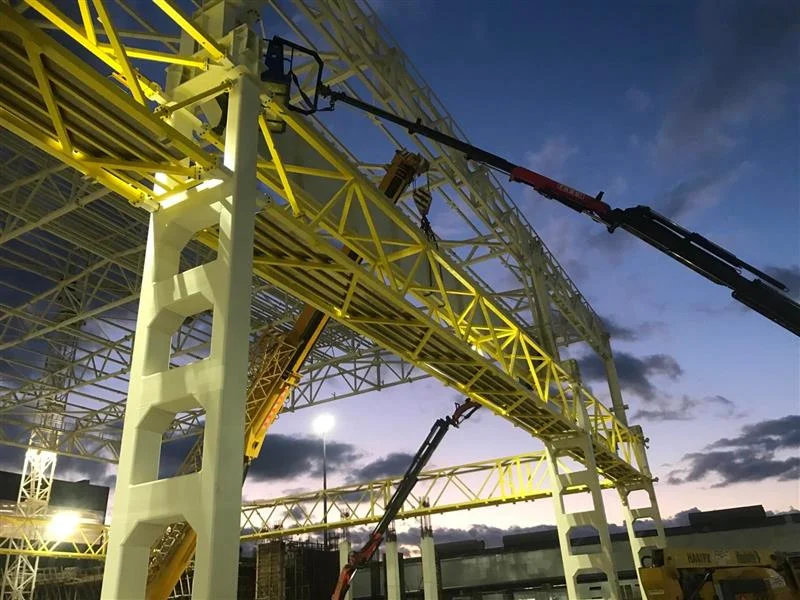
The process begins with detailed engineering and planning. Fabricators translate project requirements into clear fabrication steps, ensuring that every component is produced according to design specifications. Coordination with project stakeholders is essential at this stage to align expectations and avoid potential issues during construction.
Step 2: Precision Cutting and Shaping
Advanced CNC machinery and specialized equipment are used to cut and shape steel components with high precision. This ensures that each piece meets exact dimensional requirements. Accurate cutting reduces material waste and improves overall efficiency.
Step 3: Welding and Structural Assembly
Welding is a critical part of structural steel fabrication. Certified welding procedures are followed to create strong and reliable connections between components. Skilled welders ensure that joints meet required strength and safety standards.
Step 4: Surface Preparation and Protective Treatments
Surface preparation is essential before applying protective treatments. Steel components are cleaned to remove impurities and ensure proper adhesion of coatings. Protective treatments such as painting or galvanising help enhance durability and protect against corrosion.
Step 5: CNC and Automated Fabrication Technologies
Modern fabrication facilities rely on CNC and automated technologies to improve accuracy and efficiency. These systems enable fabricators to handle complex designs while maintaining consistent quality across large production volumes.
Step 6: High-Capacity Fabrication Facilities
Large-scale projects require fabrication facilities that can handle significant volumes of steel. High-capacity facilities are equipped with advanced machinery and efficient workflows to manage demanding production schedules. This capability is crucial for meeting tight project timelines.
Step 7: Integration with Global Construction Projects
Structural steel fabrication often supports projects across different regions. Fabricators must coordinate with international teams to ensure timely delivery and proper integration of components. This requires strong logistical planning and clear communication throughout the project lifecycle.
At last, to keep up with the quality and compliance at each step, a strict quality assurance is necessary. Let’s understand how K. Liaromatis keeps up with QA.
Quality Assurance in Structural Steel Fabrication
Quality assurance is a fundamental aspect of structural steel fabrication. Here’s how our team follows strict quality control throughout the fabrication process:
Strict Quality Management Systems
Structured Quality Management Systems (QMS) are implemented to maintain consistency across all stages of fabrication. These systems define clear procedures for material handling, production, and inspection.
Certified Welding and Inspection Processes
Welding and inspection processes must comply with recognized standards. Certified procedures ensure that welds meet strength and durability requirements. Regular inspections are conducted throughout fabrication to identify and address any issues early.
Compliance with International Standards and Certifications
Fabrication processes must align with international standards and certifications. Compliance ensures that components meet global quality and safety requirements. This is especially important for projects that operate across multiple regions.
Why Experience Matters in Structural Steel Fabrication
Choosing an experienced fabricator can significantly impact the success of a construction project. Here are some tips to keep in mind while partnering with a fabricator:
- Expertise in Complex Structural Projects: Experienced fabricators have the knowledge and capabilities to handle complex structural requirements. They understand how to manage intricate designs and challenging project conditions while maintaining high standards of quality.
- Integrated Fabrication and Project Support: Fabrication is closely linked to overall project execution. Experienced providers offer integrated support, ensuring that fabricated components align with construction schedules and project needs. This helps streamline workflows and improve efficiency.
- Commitment to Quality, Precision, and Reliability: A strong commitment to quality, precision, and reliability ensures that fabricated steel components perform as expected over the long term. This reduces maintenance requirements and enhances the overall value of the structure.
You can go through our guide on choosing a reliable structural steel fabricator for an in-depth understanding of all the benefits of working with an expert.
Conclusion
Structural steel fabrication is essential for modern construction and infrastructure development. From beams and columns to complex assemblies and custom elements, each component plays a critical role in ensuring structural stability and performance. And precision in their fabrication ensures that these components integrate seamlessly into construction projects.
Experienced structural steelwork fabricators bring the expertise, technology, and quality assurance needed to deliver reliable results. K. Liaromatis delivers advanced steel fabrication solutions designed to support complex global projects. With a focus on precision, quality, and reliability, the company continues to play a key role in shaping modern industrial and infrastructure developments.
For projects that demand consistent quality and expert execution, partnering with an experienced fabrication provider can make a measurable difference.
Subscribe To Our Newsletter
Stay updated with our latest insights, news, and exclusive updates!