


Industrial expansion across Europe is accelerating demand for modern and regulation-compliant steel construction. From logistics hubs to commercial towers, steel has become the structural choice for projects that demand speed, scalability, and strength.
At the centre of this shift are steel building contractors who mainly balance between demand and supply. They are not just fabricators or installers, but they are delivery partners who translate complex engineering requirements into safe structures.
Their role is especially critical in projects involving industrial steel buildings and high-rise steel structures, where precision, sequencing, and compliance determine long-term durability.
In this blog, you will learn what steel building contractors actually do, their role, typical costs and commercial benefits, and more. In short, this will be a complete practical contractor selection checklist that will help you choose the right partner for your current and future projects.
Let’s dive in!
What Steel Building Contractors Do
Steel building contractors are responsible for delivering the complete structural steel scope of a project, from engineering coordination to final installation. Their core responsibilities include:
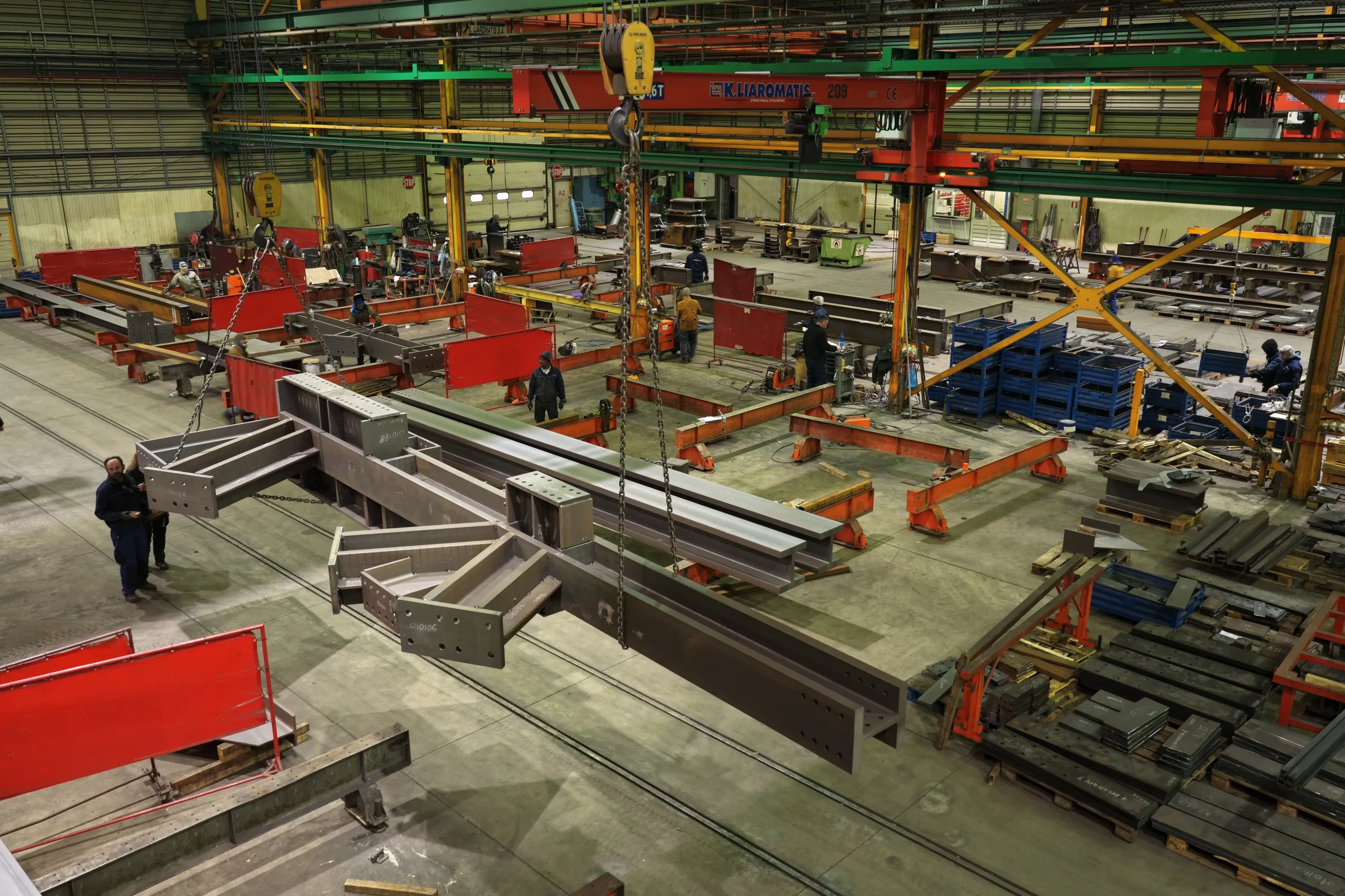
- Engineering and structural design coordination: Contractors work with structural engineers to translate design intent into buildable steel systems that meet performance, safety, and cost objectives.
- Load calculations for high-rise steel structures: Wind, seismic, live, and dead load calculations are critical for multi-story buildings. Contractors ensure steel sections, connections, and bracing systems perform under all design conditions.
- Fabrication coordination: They manage fabrication workflows, tolerances, welding procedures, and material traceability to ensure components arrive on site ready for installation.
- Project planning and scheduling: Steel sequencing affects the entire construction timeline. Contractors plan fabrication, transport, and erection to minimise delays and site congestion.
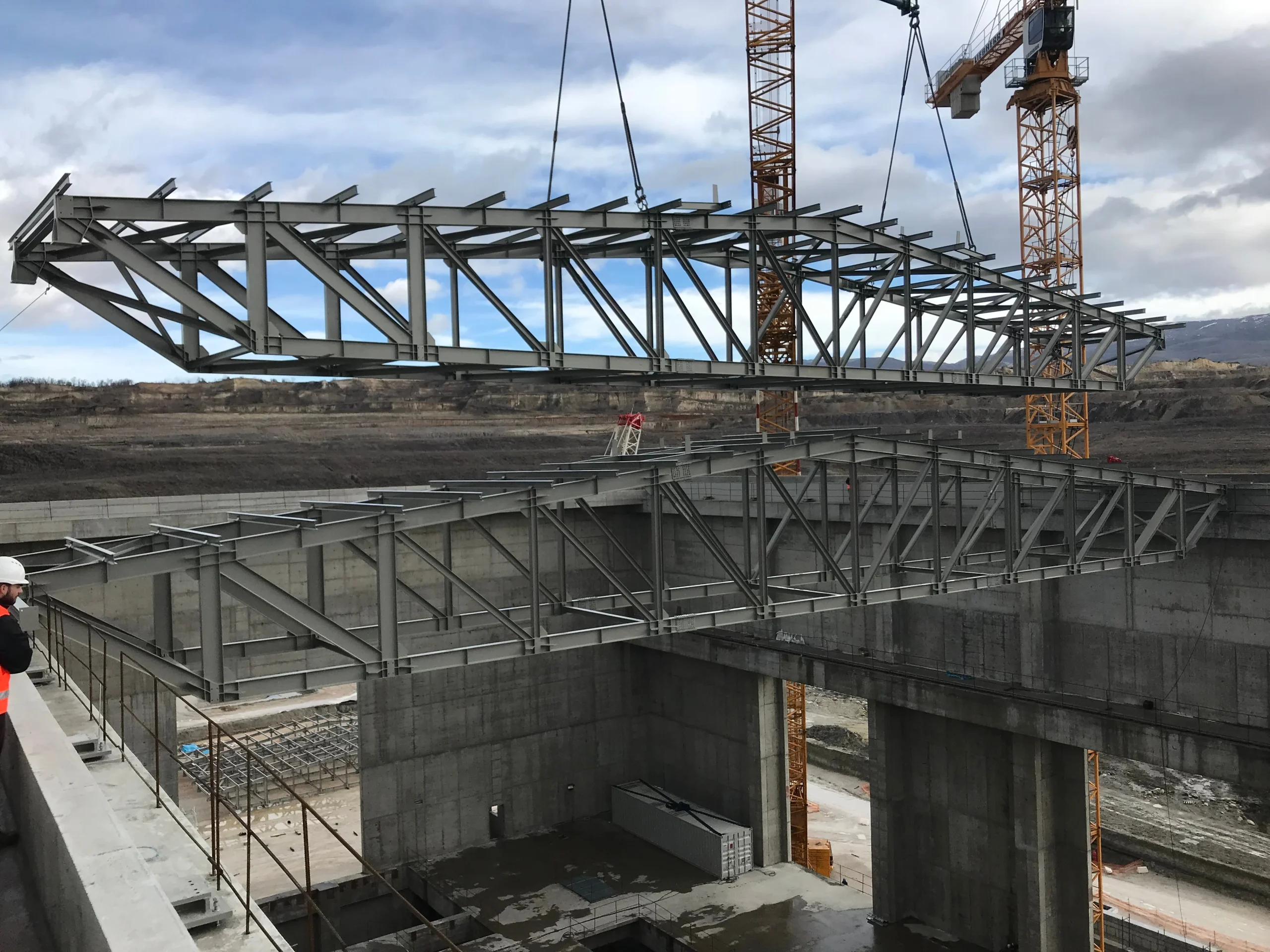
- Site erection and installation: This includes lifting plans, crane coordination, bolting and welding operations, and alignment checks.
- Quality control and regulatory compliance: Certified production processes, inspections, and documentation ensure compliance with European and local standards.
Working with such professional steel structure contractors results in generating the following beneficial outcomes for you:
- Faster project delivery
- Certified and auditable production processes
- Reduced structural and execution risk
Now, let’s explore the type of projects for which you can partner with steel construction contractors.
Types of Projects Steel Structure Contractors Handle
Steel building contractors work across a wide spectrum of construction sectors. Their expertise scales from functional industrial facilities to architecturally complex urban developments.
Precision & Build Quality
Warehouses, logistics centres, factories, and processing plants rely on steel for long spans, flexible layouts, and future expansion.
High-rise Steel Structures
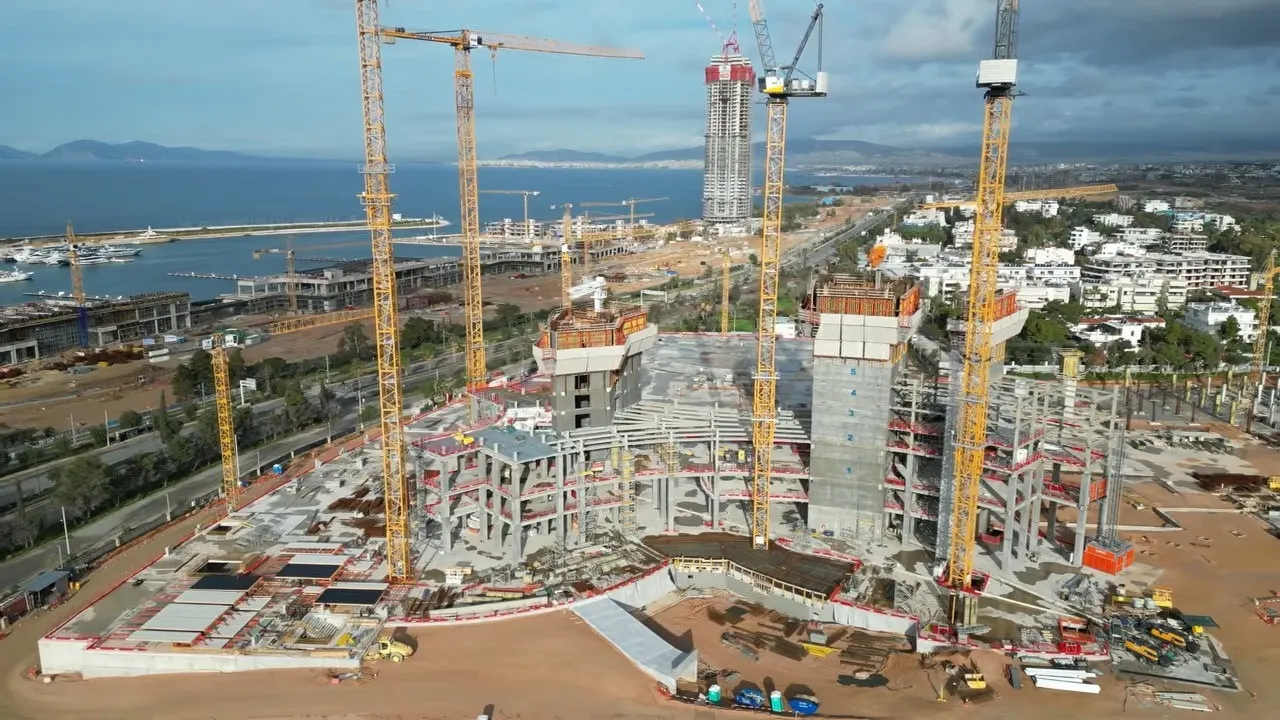
Commercial towers, mixed-use developments, and office buildings benefit from steel’s high strength-to-weight ratio and speed of erection.
Heavy Industrial Plants
Power generation units, refineries, and material handling facilities require robust steel frameworks designed for dynamic loads and harsh operating conditions.
Infrastructure-Related Steel Frameworks
Bridges, transport hubs, and large-span public structures demand precision fabrication and strict quality control.
This project’s diversity is why contractor experience matters. The requirements of a logistics hub differ significantly from those of a seismic-resistant high-rise.
How Steel Building Contractors Plan and Deliver Projects
Successful steel construction follows a structured lifecycle managed by the contractor.

1. Concept and feasibility
Early-stage collaboration helps assess structural systems, preliminary costs, and construction feasibility.
2. Structural detailing and BIM modelling
Building Information Modelling supports clash detection, connection detailing, and coordination with other trades. BIM is especially valuable for high-rise steel structures.
3. Fabrication
Steel components are manufactured under controlled conditions with documented quality procedures.
4. Logistics and shipping
Efficient material flow is critical for large-scale steel construction, where site access and scheduling are often constrained.
5. Site erection
6. Inspection and handover
Final inspections, documentation, and as-built records support regulatory approval and long-term asset management.
Regulatory compliance typically includes:
- Eurocodes
- EN 1090
- CE marking
These standards ensure structural integrity, traceability, and legal conformity.
Benefits of Working with Certified Steel Building Contractors
Choosing certified steel building contractors delivers clear commercial and operational advantages.
- Consistent structural quality: Controlled fabrication and documented processes reduce defects and rework.
- Quality assurance across all stages: A structured steelwork quality assurance framework governs design checks, fabrication inspections, welding verification, and final site acceptance, reducing defects and rework while ensuring compliance with applicable standards.
- Reduced delays: Integrated planning minimises coordination gaps between fabrication and site activities.
- Higher safety performance: Certified contractors follow proven safety systems for fabrication and erection.
- Lower lifecycle cost: Accurate detailing and durable materials reduce maintenance and retrofit costs over time.
- Better risk management: Clear accountability, compliance documentation, and inspection protocols reduce project uncertainty.
- Scalable solutions: Experienced contractors can support both industrial steel buildings and complex high-rise steel structures without compromising performance.
Key Questions to Ask Before Selecting a Contractor
Before appointing a steel building contractor, decision makers should ask targeted questions that reveal capability, compliance, and long-term reliability.
- Are you EN 1090 certified?
- What experience do you have with industrial steel buildings or high-rise steel structures?
- Do you provide full turnkey steel construction services?
- Are engineering and detailing handled in-house or outsourced?
- What is your safety record, and can you provide verified project references?
- Do you offer warranties and post-project support?
At K. Liaromatis, these questions are addressed through documented processes, audited production systems, and proven delivery across complex steel construction projects. The company operates in full alignment with European standards, supported by verified certifications that confirm compliance, traceability, and structural reliability for both industrial steel buildings and high-rise steel structures.
Trends in Steel Building Construction for 2026 and Beyond
Steel construction continues to evolve through technology, sustainability, and regulatory pressure.
- Modular and off-site steel fabrication
- Low-carbon and recycled steel
- Automated welding and robotic fabrication
- BIM and Digital Twins
- Fire-resistant steel systems
- Seismic-resistant high-rise steel structures
- Sustainability standards influencing steel construction.
Conclusion
Steel building contractors are essential partners in modern industrial and commercial development. Their expertise directly influences durability, construction speed, regulatory compliance, and long-term asset value.
For projects involving industrial steel buildings or high-rise steel structures, working with certified and experienced Steel Structure Contractors reduces risk and improves predictability.
If you are exploring specialised steel building construction services, contact K.Liaromtis today. This will be your first step toward predictable delivery, reduced risk, and high-quality outcomes.
Subscribe To Our Newsletter
Stay updated with our latest insights, news, and exclusive updates!